 blog
blog
Best Social Media Strategies for Small Nonprofits
Table of Contents
- Why Small Nonprofits Need a Different Social Media Approach
- Start With Goals and Audience Research
- Choose the Right Platforms Based on Capacity
- Social Media Content Ideas for Nonprofits
- Build a Social Media Calendar for Nonprofits
- Nonprofit Social Media Best Practices
- Social Media Metrics for Nonprofits That Matter
- Frequently Asked Questions
Last Updated: October 15, 2026
Why Small Nonprofits Need a Different Social Media Approach
Small nonprofits can't run the same playbook as large charities. You have fewer staff, tighter budgets, and no dedicated social team. That's why the best social media strategies for small nonprofits focus on focus itself: fewer platforms, simpler content, and a repeatable weekly routine.
This guide from Real Web Marketing Inc. breaks down what actually works when one person wears five hats. Below, we'll show you how to build a plan you can run in a few hours a week, not a few hours a day.
The core mistake we see is copying big-budget campaigns. A national charity can post ten times a day across six channels. A three-person nonprofit cannot. And it shouldn't try.
Start With Goals and Audience Research
Social media strategies only work when they connect to a real goal. Before you post anything, decide what success looks like: more donors, more volunteers, or more awareness of your mission.
Then research who you're actually trying to reach. Ask three questions:
- Who already supports us, and why?
- What do they care about most?
- Where do they spend time online?
Talk to five current donors or volunteers. Their answers will shape everything else. A study on social media strategies for health promotion by nonprofit organizations found that nonprofits use social media to reach health-promotion goals, which means your channel choice should follow your mission, not the other way around.
Choose the Right Platforms Based on Capacity
Platform choice is a capacity decision, not a popularity contest. Most small nonprofits can realistically maintain one primary channel and one secondary channel. Trying to run four or five channels with one part-time staffer produces stale feeds and missed comments, which hurts trust more than having a smaller presence.
Start by scoring each platform against three questions:
- Where does your audience already spend time? Ask five current donors or volunteers which platforms they use weekly. Their answers beat national demographic reports for your specific mission.
- What content can you produce consistently? If your work is visual (food distribution, animal rescue, youth programs), Instagram and Facebook reward photos and short video. If your work is relationship-driven (workforce training, policy advocacy, grant partnerships), LinkedIn and Facebook reward written updates and event posts.
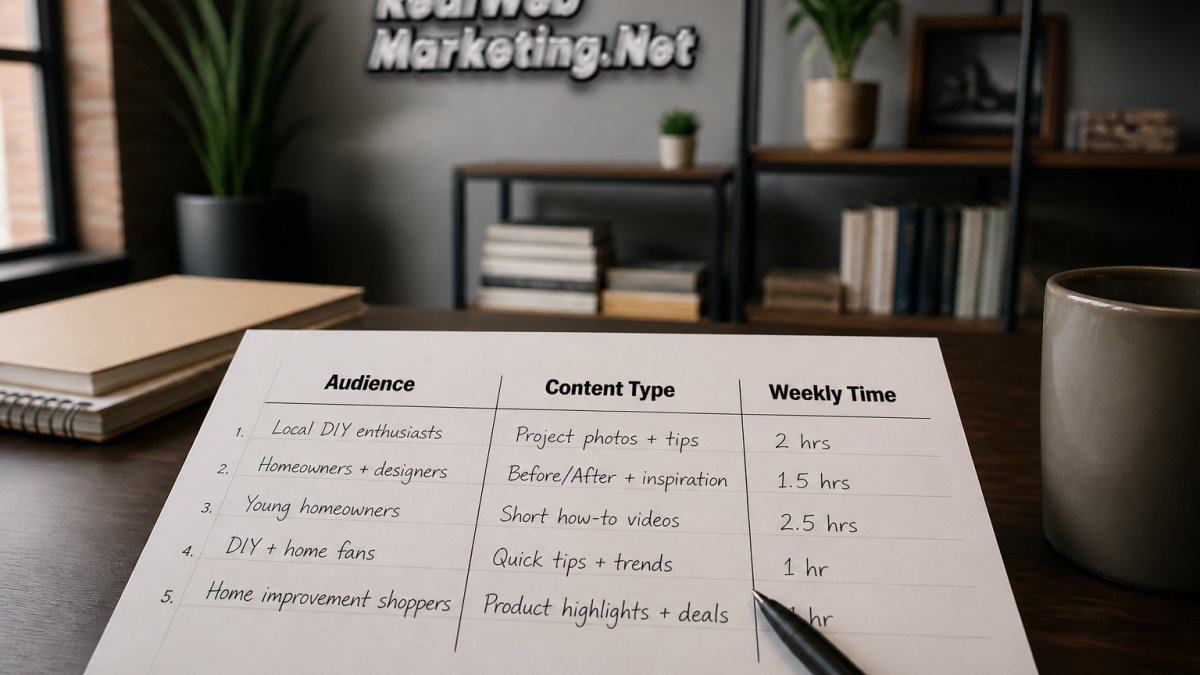
- How much staff time can you protect each week? A common pattern is two to three hours per platform per week for publishing and community replies. If you cannot protect that time, drop the platform.
A simple decision framework:
| If your priority is... | Lead with... | Because... |
|---|---|---|
| Local donors and recurring gifts | Local groups, event promotion, and peer-to-peer fundraising tools are strongest here | |
| Visual storytelling and younger supporters | Short video and photo carousels carry mission stories well | |
| Corporate partners, grants, and board recruitment | Professional audiences expect program updates and impact summaries | |
| Awareness with limited production capacity | Facebook or Instagram | Reels and Stories need less editing than long-form video |
Pick the two that match your audience and your protected time. Then ignore the rest. A nonprofit that posts three times a week on one channel and replies to every comment will outperform one that posts daily across four channels and answers no one.
Social Media Content Ideas for Nonprofits
The best social media content ideas for nonprofits come from work you're already doing. You don't need a studio. You need a phone and a plan.
Try these formats:
- Short impact stories with one photo
- A 30-second volunteer clip
- Before-and-after photos of your work
- Donor thank-you posts
- Behind-the-scenes staff moments
- Quick program updates
Video content performs well and builds trust fast. If you need help producing it, our video production service can turn a single interview into a month of clips.
Build a Social Media Calendar for Nonprofits
A social media calendar for nonprofits is a simple grid that maps what you'll post, where, and when. It removes daily guesswork and keeps your messaging steady.
Build yours in four steps:
- List your content types (stories, updates, asks, thanks)
- Assign one type to each weekday
- Batch-create posts every Monday
- Schedule them and step away
TechSoup's guidance on social media for nonprofits recommends limiting automated posts across platforms, so keep automation light and add a human reply each day.
Schedule a Free Consultation →
Nonprofit Social Media Best Practices
Strong nonprofit social media best practices come down to a few habits. Post consistently. Reply to comments. Keep your tone warm and clear.
Use a simple style guide so every post sounds like you:
- One voice, one visual style
- Plain language, no jargon
- A clear call to action in every post
- Alt text on every image for accessibility
Accessibility and consent matter here. Get permission before sharing a client's photo or story, and never post identifying details without written approval.
Social Media Metrics for Nonprofits That Matter
The social media metrics for nonprofits that matter most tie back to your mission, not vanity numbers. Follower growth feels good, but it does not fund programs. The gap most guides miss is a simple framework that connects a post to a donation, a volunteer shift, or a retained donor.
Use a three-layer measurement model:
Layer 1, Reach (did anyone see it?)
- Reach and impressions by post
- Follower growth by month
- Profile visits
Layer 2, Response (did anyone care?)
- Engagement rate (likes, comments, shares, saves divided by reach)
- Comment sentiment and reply time
- Saves and shares, which signal content worth repeating
Layer 3, Mission action (did it move the mission?)
- Click-through rate to your donation page
- Donations attributed to social (use a unique link per campaign)
- Volunteer inquiries and applications from social
- Email subscribers added from social
- Donor retention rate for donors who first engaged on social
Layer 3 is where small nonprofits win. A post with 200 reach and 12 clicks to a donation page is more valuable than a post with 5,000 reach and zero clicks.
Build a one-page monthly report with four numbers:
- Total mission actions from social (donations + volunteer sign-ups + email subscribers)
- Cost per mission action (ad spend plus staff hours divided by actions)
- Best-performing post and why it worked
- One change to test next month
Connect your social channels to your website analytics so you can see which posts drive real action. Use UTM tags on every link so donations and sign-ups are attributed correctly. If tracking this feels overwhelming, our social media marketing service sets up simple monthly reporting you can actually read.
Frequently Asked Questions
What are the best social media strategies for small nonprofits?
The best social media strategies for small nonprofits focus on doing a few things well: pick one or two platforms where your audience spends time, create a simple content calendar you can maintain, share mission-driven stories that show impact, and track metrics that connect to real goals like donations or volunteers.
How often should a small nonprofit post on social media?
A realistic starting point is three to five times per week on your primary platform. Consistency matters more than volume. Build a social media calendar for nonprofits that matches your team's actual capacity, then adjust based on engagement data.
Which social media platforms are best for nonprofits?
Facebook and Instagram remain the most widely used for donor engagement and community building. LinkedIn works well for professional partnerships and volunteer recruitment, while TikTok can reach younger supporters if you have video capacity. The key is platform selection based on where your target audience already spends time and what your team can realistically maintain.
How can nonprofits measure social media success?
Focus on social media metrics for nonprofits that tie to mission outcomes: reach, engagement rate, click-through rate to donation pages, volunteer sign-ups, and follower growth. Vanity metrics like impressions matter less than actions. Set up UTM tracking on links and review analytics monthly.
Running social media for a small nonprofit is a juggling act, and doing it alone rarely works. Real Web Marketing Inc. brings 35+ years of combined experience to nonprofits that need expert help without big-agency fees. You get direct access to experienced marketers, transparent monthly reporting, and hands-on guidance from founder John Eberhard. Schedule a free consultation with Real Web Marketing Inc. and build a social plan that fits your budget and your mission.